Understanding how 911 caller identification works is essential for effective emergency response. You’re likely curious about how your information is processed and protected during a call. Privacy and data protection play a significant role in this system, ensuring your details remain secure. As you explore the technologies behind caller identification, you’ll discover how they enhance response times. What happens next in this process may surprise you, revealing the critical link between technology and safety.
How 911 Caller Identification Works
When you dial 911, your location and phone number are automatically transmitted to emergency services, ensuring they can reach you quickly.
This system enhances identification accuracy by pinpointing your caller location, even if you can’t speak.
It’s designed to save lives, allowing responders to act swiftly.
Understanding this process empowers you to trust that help is on the way when you need it most.
Key Aspects of Caller Privacy and Data Protection
While you might rely on 911 for urgent help, it’s crucial to understand how your privacy is protected during the call.
Caller anonymity is a priority, ensuring your identity remains confidential. Data encryption further safeguards your information, making it difficult for unauthorized access.
Technologies for 911 Caller Identification
In an emergency, knowing how 911 can identify your call is essential for quick response.
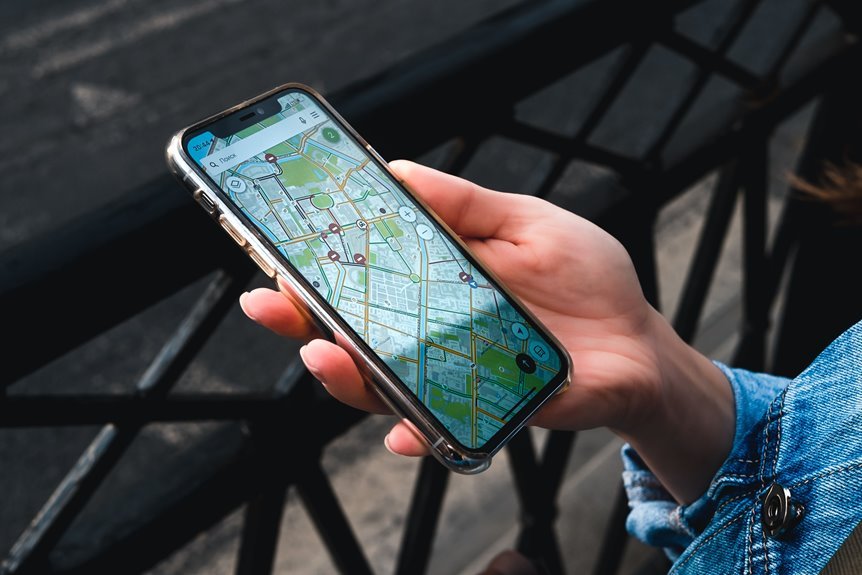
Technology advancements now allow operators to pinpoint your caller location using GPS and enhanced cellular data. This means help can reach you faster, even if you can’t speak.
Understanding these technologies empowers you, ensuring your safety and freedom during critical moments.
How to Make Effective Emergency Calls
Knowing how 911 identifies your call is just the start; making an effective emergency call is equally important.
Ensure you’re prepared by staying calm and providing clear communication. State your location, describe the situation, and specify any injuries.
This emergency preparedness not only speeds up response time but also helps responders understand what they’re facing, ultimately saving lives.
Conclusion
In an emergency, every second counts. Understanding how 911 caller identification works can make the difference between life and death. By knowing your rights regarding privacy and the technologies at play, you can navigate the system more effectively. When you pick up the phone, you’re not just calling for help; you’re activating a network designed to protect you. So, are you ready to ensure your voice is heard when it matters most?