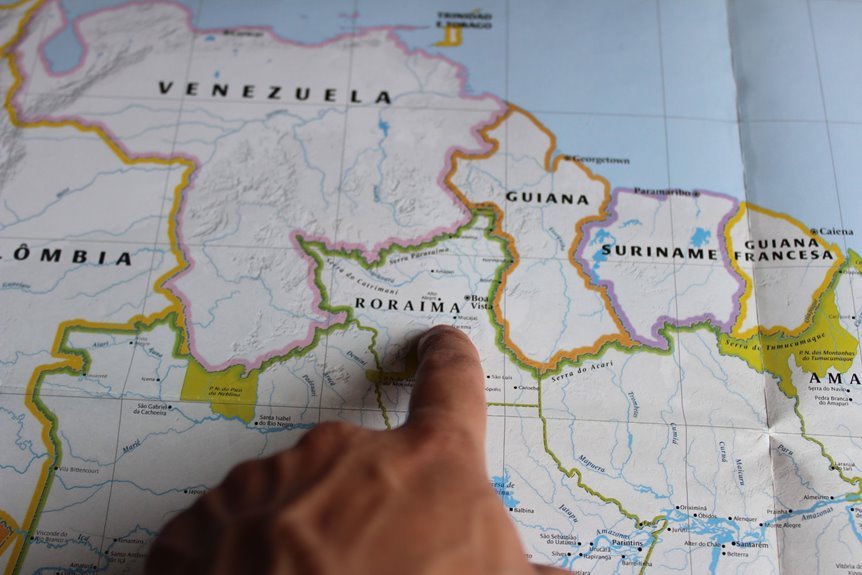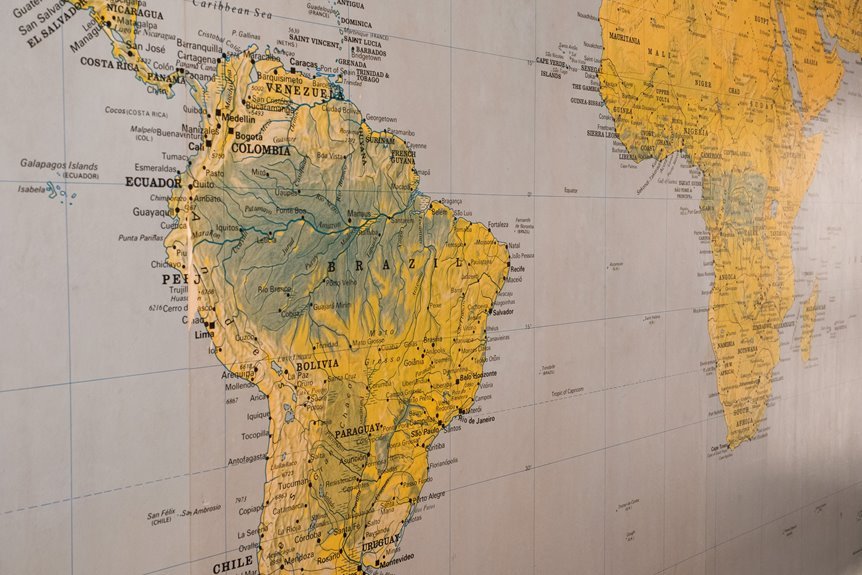
Venezuela’s unique position on the northeastern coast of South America offers an intriguing blend of geography and culture. With the Andes mountains rising to the west and the Caribbean Sea to the north, the country showcases remarkable ecological diversity. This varied landscape shapes not only the environment but also the agricultural practices and lifestyles of its people. What factors contribute to such a rich tapestry of ecosystems and how does this influence daily life in Venezuela?
Discover Venezuela’s Geographic Landscape
When you explore Venezuela’s geographic landscape, you’ll find it’s both diverse and strikingly beautiful.
The Venezuelan topography features an array of geographical regions, from the rugged Andes to lush plains and dense rainforests.
Each region presents unique ecosystems and topographical features, contributing to the nation’s rich biodiversity.
Understanding this complexity can deepen your appreciation for Venezuela’s natural beauty and cultural heritage.
Understanding Venezuela’s Climate Diversity
Venezuela’s diverse topography directly influences its climate, resulting in a range of weather patterns across the country.
You’ll find distinct climate zones, from tropical rainforests in the north to arid regions in the west.
This variety affects agriculture, biodiversity, and daily life, making it essential to understand how these climate zones interact and shape Venezuela’s natural and human environments.
Neighboring Countries and Their Cultural Impact
Although Venezuela is a distinct nation with its own rich culture, its neighbors—Colombia to the west and Brazil to the south—significantly influence its cultural landscape.
These cultural exchanges have fostered a blend of traditions, music, and culinary practices.
Historical influences from both countries shape Venezuela’s identity, enriching its artistic expressions and creating a dynamic environment where diverse cultures coexist and thrive.
Explore Venezuela’s Stunning Natural Wonders and Ecosystems
As you delve into Venezuela’s diverse landscapes, you’ll discover a country teeming with natural wonders and unique ecosystems.
The Amazon Rainforest thrives with biodiversity, while the Andean Mountains offer breathtaking views.
Explore the Caribbean Coast’s vibrant beaches, navigate the Orinoco River’s vastness, traverse the Llanos Plains, and witness the majesty of Angel Falls, the world’s tallest waterfall.
Each feature embodies Venezuela’s ecological richness.
Conclusion
In summary, Venezuela’s geographic diversity not only shapes its breathtaking landscapes but also plays a crucial role in its cultural tapestry. As you explore this vibrant nation, you’ll witness how the interplay of mountains, plains, and rainforests creates a unique environment that nurtures both biodiversity and human life. Indeed, in the heart of Venezuela, nature and culture dance together, inviting you to uncover the rich stories woven into its stunning geography.