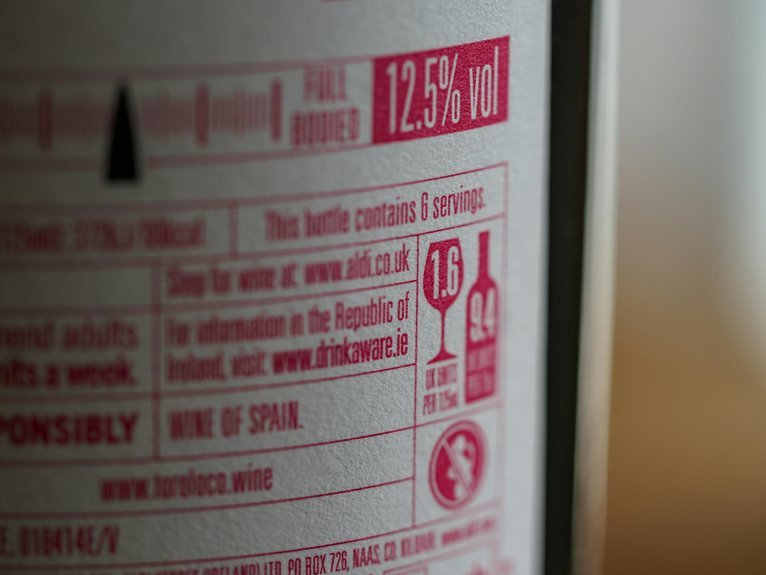
Did you know that the residual sugar (RS) in your favorite wine can directly influence its alcohol content? This connection might surprise you, as many people overlook how unfermented sugars can create a balance of sweetness and strength in beverages. Understanding RS and its impact can help you make informed choices about what to sip. So, how do you navigate this relationship to find the perfect drink for your palate?
Understanding RS and Its Impact on Beverages
When you dive into the world of beverages, understanding residual sugar (RS) is crucial, especially if you’re curious about how it influences taste and alcohol content.
Different beverage styles showcase varying levels of RS, affecting sweetness and mouthfeel. For instance, a dessert wine typically has higher RS, creating a luscious experience, while a dry wine features minimal RS, enhancing its crispness.
Embrace this knowledge to elevate your tasting journey!
The Relationship Between RS and Alcohol Percentage
While exploring the intricate balance of flavors in beverages, it’s essential to recognize how residual sugar (RS) interacts with alcohol percentage.
RS measurement directly affects alcohol fermentation; higher RS often leads to lower alcohol levels since some sugars remain unfermented.
This interplay can create delightful contrasts in taste, providing you with unique drinking experiences that cater to your preferences and desires for freedom.
How RS Influences Flavor Profile
As you delve into the world of beverages, understanding how residual sugar (RS) influences the flavor profile can unlock new tasting experiences.
RS plays a crucial role in achieving sweetness balance, enhancing the overall enjoyment. It adds flavor complexity, allowing you to savor different notes and nuances.
A well-measured RS can transform a simple drink into a captivating sensory journey.
Choosing the Right Beverage Based on RS and Alcohol Percentage
How do you choose the perfect beverage that balances residual sugar (RS) and alcohol percentage?
Start by considering sweetness levels; a high RS can elevate flavors but may clash with strong alcohol.
For a harmonious beverage pairing, opt for lighter wines with moderate RS or cocktails that complement your meal.
Finding that sweet spot lets you enjoy the freedom of flavor without overwhelming your palate.
Conclusion
In conclusion, understanding RS and its impact on alcohol percentage can truly enhance your beverage choices. You might worry that higher RS means overly sweet drinks, but many wines achieve a delightful balance between sweetness and flavor complexity. By exploring different options, you can discover a range of beverages that cater to your taste preferences, whether you lean towards sweet or dry. So, don’t hesitate to experiment and find that perfect sip that elevates your drinking experience!